Choosing the Best Solar Battery for Your Home or Business
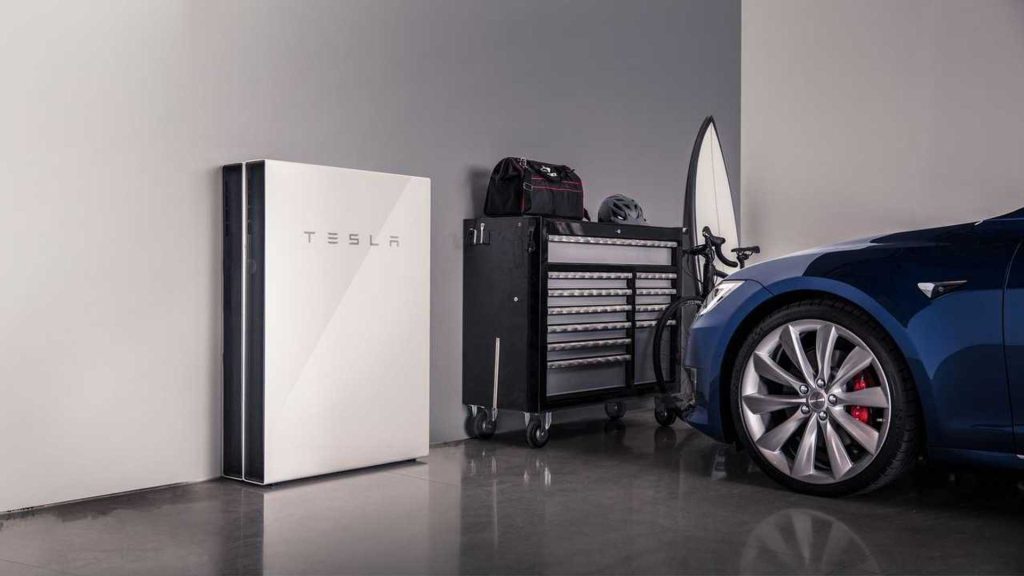
Solar batteries store excess energy from your panels for use during power outages and load shedding. With South Africa’s ongoing electricity crisis, solar batteries have become essential for homes and businesses. The right battery system keeps your lights on, food fresh, and business running when Eskom fails.
Choosing the wrong battery wastes money and leaves you without power when you need it most. Different battery types offer varying lifespans, capacities, and performance characteristics. Your choice depends on your energy needs, budget, and local conditions in cities like Cape Town, Johannesburg, and Durban.
This guide explains the key factors to consider when selecting solar batteries for South African conditions. You’ll learn about battery types, sizing requirements, installation considerations, and costs. We’ll also cover maintenance requirements and help you avoid common mistakes that lead to premature battery failure.
Understanding Solar Battery Types
Lithium-Ion Batteries
Advantages of Lithium-Ion Lithium-ion batteries offer the best performance for most applications. They provide:
- 10-15 year lifespans with proper care
- 80-90% depth of discharge capability
- High energy density for compact installations
- Low maintenance requirements
- Fast charging and discharging rates
Popular brands in South Africa include Tesla Powerwall, LG Chem, and BYD. These batteries work well in hot climates and handle frequent cycling from load shedding.
Lithium-Ion Disadvantages Despite their advantages, lithium-ion batteries have drawbacks:
- Higher upfront costs than other types
- Performance drops in extreme temperatures
- Requires battery management systems
- Fire risk if damaged or overcharged
- Limited availability during supply shortages
Best Applications: Lithium-ion batteries work best for:
- Homes with limited space
- Businesses requiring reliable backup power
- Systems with frequent cycling
- Users wanting minimal maintenance
- High-value applications justifying the cost
Lead-Acid Batteries
Gel Battery Benefits: Gel batteries use silica gel electrolyte and offer:
- Lower cost than lithium-ion
- Good performance in hot climates
- Sealed design prevents spillage
- Longer lifespan than flooded batteries
- Maintenance-free operation
Gel batteries work well in South African conditions and are popular for residential installations.
AGM Battery Features Absorbed Glass Mat (AGM) batteries provide:
- Fast charging capabilities
- Good vibration resistance
- Sealed, maintenance-free design
- Better cold-weather performance
- Lower self-discharge rates
AGM batteries cost more than gel but less than lithium-ion. They’re suitable for applications requiring quick charging.
Flooded Lead-Acid Batteries Traditional flooded batteries offer:
- Lowest upfront cost
- Proven technology and reliability
- Easy to service and maintain
- Good performance in stable environments
- Wide availability of replacement parts
However, they require regular maintenance and proper ventilation. They’re best for budget-conscious users willing to perform maintenance.
Emerging Battery Technologies
Lithium Iron Phosphate (LiFePO4) LiFePO4 batteries offer enhanced safety:
- Excellent thermal stability
- Long cycle life (3,000+ cycles)
- Safe chemistry with low fire risk
- Good performance in hot climates
- Stable voltage output
These batteries cost more than standard lithium-ion but offer better safety and longevity.
Saltwater Batteries Saltwater batteries use a non-toxic electrolyte:
- Completely recyclable materials
- No fire or explosion risk
- Long service life potential
- Environmental friendliness
- Safe for indoor installation
However, they’re expensive and have limited availability in South Africa.
Battery Sizing and Capacity Planning
Calculating Your Energy Needs
Daily Energy Consumption: Calculate your daily energy usage in kilowatt-hours (kWh):
- List all appliances and their power ratings
- Estimate daily usage hours for each
- Multiply power by hours to get daily consumption
- Add a 20% safety margin for efficiency losses
A typical South African home uses 20-30 kWh daily. Businesses vary widely based on operations and equipment.
Essential Load Analysis: Identify critical loads you must power during outages:
- Refrigeration and freezers
- Lighting and security systems
- Internet and communication equipment
- Medical equipment
- Business-critical machinery
Focus battery sizing on essential loads rather than total consumption. This reduces costs while maintaining critical functions.
Peak Power Requirements Calculate maximum power draw when multiple appliances start simultaneously:
- Motor starting surges (3-5x running power)
- Inverter efficiency losses
- Simultaneous appliance operation
- Safety margins for unexpected loads
Size your battery system to handle peak loads without voltage drops or system shutdowns.
Battery Capacity Considerations
Usable Capacity vs. Rated Capacity. Battery capacity ratings can be misleading:
- Lead-acid: 50% usable capacity (deep discharge damages batteries)
- Lithium-ion: 80-90% usable capacity
- Gel batteries: 60-70% usable capacity
- AGM batteries: 50-60% usable capacity
A 10 kWh lithium battery provides 8-9 kWh usable energy. A 10 kWh lead-acid battery provides only 5 kWh safely.
Autonomy Requirements: Determine how long you need backup power:
- 4-6 hours: Basic load shedding coverage
- 8-12 hours: Overnight backup power
- 24+ hours: Extended outage protection
- 48+ hours: Off-grid capability
Johannesburg typically experiences 2-4 hour load shedding periods. Cape Town may have longer outages during severe restrictions.
Seasonal Variations Account for seasonal energy changes:
- Winter: Higher lighting and heating loads
- Summer: Increased air conditioning usage
- Rainy seasons: Reduced solar generation
- Holiday periods: Different usage patterns
Size batteries for worst-case seasonal conditions to ensure adequate backup power year-round.
System Integration Factors
Solar Panel Compatibility: Match battery capacity to solar generation.
- Oversized batteries may not fully charge
- Undersized batteries waste solar energy
- Charging rates must match battery specifications
- System voltage must be compatible
A 5 kW solar system can typically charge 15-20 kWh of batteries daily in South African conditions.
Inverter Specifications Ensure inverter compatibility:
- Battery voltage matching
- Charging current limits
- Communication protocols
- Safety certifications
- Warranty coverage
Hybrid inverters combine solar charging with battery storage. Choose inverters certified for South African grid conditions.
Installation and Technical Considerations
Location and Environment
Indoor vs. Outdoor Installation Battery location affects performance and safety:
Indoor Installation Benefits:
- Protection from the weather
- Stable temperatures
- Better security
- Easier maintenance access
- Longer equipment life
Outdoor Installation Considerations:
- Requires weatherproof enclosures
- Temperature extremes affect performance
- Security concerns in some areas
- Ventilation requirements for some battery types
- Potential for theft or vandalism
Temperature Management South African climate affects battery performance:
- Hot climates reduce battery lifespan
- Cold weather decreases capacity
- Temperature swings stress battery chemistry
- Ventilation prevents overheating
- Insulation stabilizes temperatures
Johannesburg’s temperature extremes require better thermal management than Cape Town’s moderate climate.
Ventilation Requirements Different battery types have specific ventilation needs:
- Flooded lead-acid: Requires good ventilation for hydrogen gas
- Gel and AGM: Minimal ventilation needed
- Lithium-ion: Ventilation for cooling and safety
- Installation codes specify minimum requirements
Poor ventilation can cause dangerous gas accumulation or overheating.
Electrical Integration
Wiring and Connections Proper electrical installation ensures safety and performance:
- Use appropriate cable sizes for current loads
- Install proper fuses and circuit breakers
- Ensure secure connections to prevent arcing
- Follow the manufacturer’s specifications exactly
- Use quality components rated for solar applications
Poor connections cause power losses and fire hazards. Professional installation prevents these problems.
Grounding and Safety Electrical safety requires proper grounding:
- All metal components must be grounded
- Surge protection prevents lightning damage
- Arc fault protection prevents fires
- Ground fault protection prevents electrocution
- Emergency shutdown systems provide safety
South African electrical codes require specific safety measures for battery installations.
Monitoring and Control Systems Battery monitoring systems provide:
- Real-time performance data
- Charging and discharging information
- Temperature monitoring
- Fault detection and alarms
- Remote access capabilities
Modern systems send alerts to smartphones when problems occur.
Maintenance Requirements
Lithium-Ion Maintenance Lithium batteries require minimal maintenance:
- Visual inspections every 6 months
- Keep terminals clean and tight
- Monitor system performance regularly
- Ensure proper ventilation
- Update software as needed
Professional inspections annually help identify developing problems.
Lead-Acid Maintenance Lead-acid batteries need regular attention:
Flooded Batteries:
- Check electrolyte levels monthly
- Add distilled water as needed
- Clean terminals quarterly
- Equalize the charge every 3-6 months
- Test specific gravity regularly
Sealed Batteries (Gel/AGM):
- Visual inspections quarterly
- Clean terminals and connections
- Monitor voltage and performance
- Check for swelling or damage
- Test capacity annually
Preventive Maintenance Tasks. Regular maintenance extends battery life:
- Keep batteries clean and dry
- Tighten connections annually
- Check for corrosion signs
- Monitor temperature extremes
- Document performance changes
Johannesburg’s dusty conditions require more frequent cleaning than coastal areas.
Cost Analysis and Financial Considerations
Initial Investment Costs
Battery System Pricing Solar battery costs vary significantly by type and capacity:
Lithium-Ion Systems:
- R8,000-R12,000 per kWh installed
- 10 kWh system: R80,000-R120,000
- 20 kWh system: R160,000-R240,000
- Premium brands cost more but offer better warranties
Lead-Acid Systems:
- R3,000-R6,000 per kWh installed
- 10 kWh system: R30,000-R60,000
- 20 kWh system: R60,000-R120,000
- Replacement costs every 5-8 years
Installation Costs:
- Electrical work: R10,000-R20,000
- Mounting and enclosures: R5,000-R15,000
- Permits and inspections: R2,000-R5,000
- System commissioning: R3,000-R8,000
Operating Costs
Maintenance Expenses Annual maintenance costs vary by battery type:
- Lithium-ion: R1,000-R3,000 annually
- Lead-acid: R2,000-R5,000 annually
- Professional inspections: R2,000-R4,000
- Replacement parts and repairs: Variable
Replacement Schedules Plan for battery replacements:
- Lithium-ion: 10-15 years
- Lead-acid: 5-8 years
- Gel batteries: 6-10 years
- AGM batteries: 4-7 years
Factor replacement costs into long-term planning.
Energy Savings: Calculate potential savings from battery storage:
- Avoided load shedding costs
- Time-of-use electricity savings
- Reduced generator fuel costs
- Business continuity benefits
- Increased property value
A typical home saves R1,000-R3,000 monthly on electricity costs with proper battery sizing.
Financing Options
Solar Loans: Many banks offer solar financing.
- Absa Green Loan: Up to R1 million
- Standard Bank: Solar finance packages
- FNB: Green home improvement loans
- Nedbank: Renewable energy financing
Interest rates typically range from 10-15% annually.
Leasing Options Battery leasing reduces upfront costs:
- Monthly payments instead of a large investment
- Maintenance is included in the lease terms
- Upgrade options after the lease period
- Lower initial cash requirements
Government Incentives Section 12B tax allowances for solar systems:
- 100% depreciation in the first year
- Applies to businesses only
- Includes battery storage systems
- Reduces effective system costs
Performance Optimization
Charging Strategies
Solar Charging Optimization: Maximize solar energy utilization:
- Size battery capacity to match solar generation
- Use MPPT charge controllers for efficiency
- Program charging priorities for essential loads
- Implement load management systems
- Monitor charging performance regularly
Grid Charging Backup Use municipal electricity strategically:
- Charge during off-peak hours
- Maintain minimum charge levels
- Prepare for extended cloudy periods
- Balance solar and grid charging
- Reduce demand charges for businesses
Load Management Optimize energy consumption:
- Prioritize essential loads during outages
- Delay non-critical appliances
- Use energy-efficient equipment
- Implement smart home automation
- Monitor consumption patterns
System Monitoring
Performance Metrics Track key performance indicators:
- Daily energy throughput
- Charging and discharging efficiency
- Battery state of charge
- Temperature variations
- System availability
Fault Detection. Early problem detection prevents failures:
- Voltage monitoring for each battery
- Temperature sensors for overheating
- Current sensors for load imbalances
- Communication monitoring for system health
- Automated alerts for abnormal conditions
Data Analysis Use monitoring data for optimization:
- Identify consumption patterns
- Optimize charging schedules
- Predict maintenance needs
- Plan system upgrades
- Improve energy efficiency
Common Mistakes to Avoid
Sizing Errors
Undersizing Batteries Common undersizing mistakes:
- Focusing only on average consumption
- Ignoring peak power requirements
- Underestimating load shedding duration
- Neglecting seasonal variations
- Forgetting about system losses
Undersized batteries don’t provide adequate backup power and may be damaged by deep discharging.
Oversizing Problems: Excessive battery capacity causes:
- Unnecessary high costs
- Incomplete charging cycles
- Reduced battery lifespan
- Inefficient system operation
- Wasted investment
Load Calculation Errors: Accurate load calculations prevent problems:
- Include all connected devices
- Account for starting surges
- Consider simultaneous operation
- Add safety margins appropriately
- Plan for future expansion
Installation Mistakes
Poor Location Choices: Avoid problematic installation locations:
- Direct sunlight exposure
- Extreme temperature areas
- Flood-prone locations
- Poorly ventilated spaces
- Difficult access areas
Electrical Errors Common wiring mistakes:
- Undersized cables causing voltage drops
- Loose connections create resistance
- Inadequate fusing and protection
- Poor grounding systems
- Mixing battery types or ages
Maintenance Neglect Proper maintenance prevents failures:
- Regular inspection schedules
- Cleaning and tightening connections
- Monitoring system performance
- Replacing worn components
- Professional service visits
Choosing the Right Supplier
Supplier Evaluation Criteria
Technical Expertise Look for suppliers with:
- Certified installation technicians
- Experience with your battery type
- Understanding of local conditions
- Proper testing equipment
- Technical support capabilities
Product Quality: Evaluate battery and system quality:
- Manufacturer certifications
- Warranty terms and conditions
- Local service and support
- Spare parts availability
- Performance guarantees
Service Support Ongoing support requirements:
- 24/7 emergency response
- Regular maintenance services
- Monitoring system setup
- Training for users
- Warranty claim processing
Local vs. International Brands
International Brands Major international brands offer:
- Proven performance records
- Comprehensive warranties
- Global support networks
- Advanced technology
- Consistent quality standards
Popular brands include Tesla, LG Chem, BYD, and Pylontech.
Local Suppliers South African suppliers provide:
- Local technical support
- Faster service response
- Better understanding of conditions
- Competitive pricing
- Job creation benefits
Warranty and Support
Warranty Coverage: Understand warranty terms:
- Performance guarantees
- Defect coverage periods
- Replacement procedures
- Service requirements
- Exclusions and limitations
Support Services Evaluate ongoing support:
- Technical helpdesk availability
- On-site service capabilities
- Remote monitoring options
- Training and documentation
- Upgrade paths
Regional Considerations
Cape Town Specific Factors
Climate Considerations: Cape Town’s Mediterranean climate affects battery performance:
- Moderate temperatures favor battery life
- Winter rains reduce solar generation
- Strong winds stress mounting systems
- Salt air corrodes electrical components
- Day zero water restrictions affected cleaning
Load Shedding Patterns Cape Town’s unique load shedding schedule:
- Often differs from the national schedule
- Longer outages during severe restrictions
- Multiple stages implemented simultaneously
- Business district exceptions
- Seasonal variations in implementation
Johannesburg Conditions
Environmental Challenges Johannesburg’s high altitude and climate:
- Extreme temperature variations
- Dust and pollution accumulation
- Intense UV radiation
- Hailstorm risks
- Thunderstorm activity
Power Grid Issues: Johannesburg’s electricity supply:
- Frequent load shedding implementation
- Voltage fluctuations common
- Industrial demand affects residential supply
- Infrastructure aging problems
- Peak demand management
Durban Coastal Conditions
Humidity and Corrosion Coastal conditions affect battery systems:
- High humidity levels
- Salt air corrosion
- Condensation problems
- Ventilation requirements
- Protective coating needs
Tropical Weather Durban’s subtropical climate:
- High temperatures and humidity
- Cyclone and storm risks
- Consistent solar generation
- Rainfall patterns
- Mold and algae growth
Conclusion
Choosing the right solar battery protects your home or business from South Africa’s unreliable electricity supply. The best battery depends on your specific needs, budget, and local conditions. Lithium-ion batteries offer the best performance but cost more initially. Lead-acid batteries provide affordable backup power with higher maintenance requirements.
Proper sizing ensures adequate backup power without wasting money on excess capacity. Professional installation and regular maintenance maximize battery lifespan and performance. Quality suppliers provide ongoing support and warranty coverage when problems occur.
Don’t let load shedding disrupt your life or business operations. Solar batteries provide reliable backup power and energy independence. The initial investment pays for itself through reduced electricity costs and improved quality of life.
Smart Energy O&M helps you choose and maintain the perfect battery system for your needs. Our certified technicians provide expert installation, ongoing maintenance, and 24/7 support services. Contact us today for a free consultation and quote for your solar battery system.