What Causes Cracks in Solar Panels? Prevention and Repair Solutions
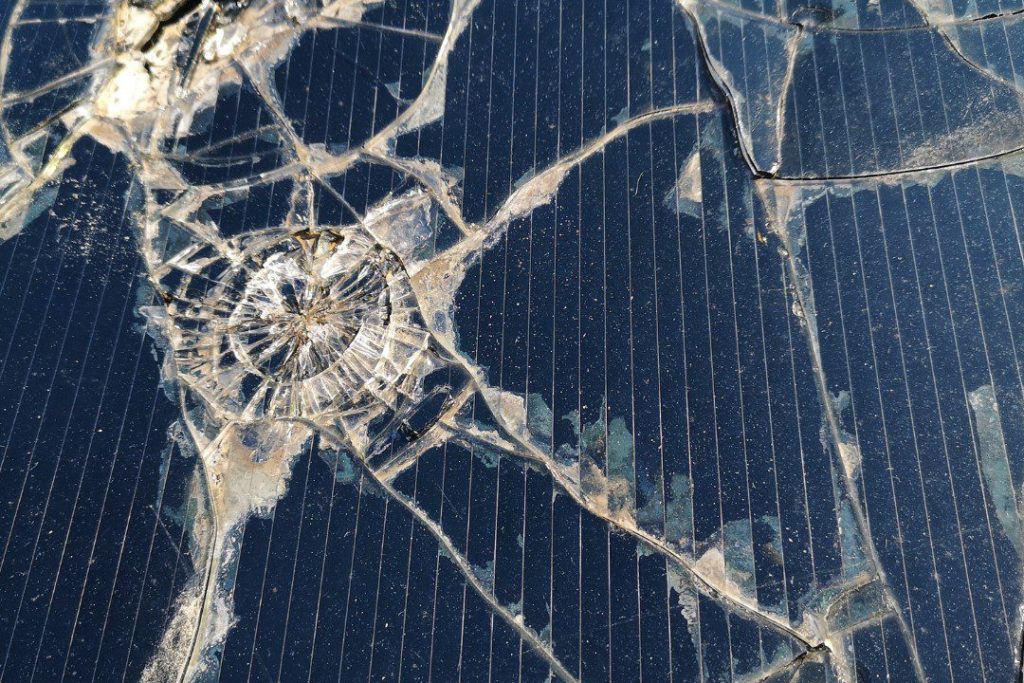
Solar panels are built to last 25 years or more, but they’re not invincible. Cracks can develop over time, reducing your system’s efficiency and costing you money. South African homeowners face unique challenges with intense UV exposure, hailstorms, and extreme temperature changes that can damage solar panels.
Understanding what causes these cracks helps you protect your investment. Most cracks start small but grow larger without proper attention. The good news is that many cracks can be prevented with regular maintenance and proper installation techniques.
This guide covers the main causes of solar panel cracks, how to spot them early, and what you can do to prevent costly damage. We’ll also explain when repairs are possible and when panel replacement becomes necessary.
Main Causes of Solar Panel Cracks
Weather-Related Damage
Hail Damage Johannesburg and Pretoria experience severe hailstorms during the summer months. Hailstones larger than 2cm can crack solar panel glass on impact. Even smaller hail can cause micro-cracks that weaken the panel structure over time.
Modern solar panels are tested to withstand 25mm hailstones at 80 km/h. However, South African hail can exceed these limits. The 2013 hailstorm in Johannesburg caused millions in damage, including cracked solar panels across the city.
Temperature Cycling Solar panels expand and contract as temperatures change. In South Africa, panels can reach 65°C during the day and drop to 5°C at night. This constant expansion and contraction create stress that can lead to cracks.
Inland areas like Johannesburg experience greater temperature swings than coastal cities like Cape Town. This makes thermal stress cracks more common in the Highveld region.
Wind Loading Strong winds put mechanical stress on solar panels. The Western Cape’s notorious south-easter winds can exceed 70 km/h, creating uplift forces that strain panel mounting systems and glass surfaces.
Poor installation can make wind damage worse. Panels that aren’t properly secured or have inadequate structural support are more likely to crack under wind pressure.
Installation Problems
Improper mounting of Solar panels must be mounted with the correct torque specifications. Over-tightening mounting bolts creates stress points that can crack the panel frame or glass. Under-tightening allows movement that causes fatigue cracks.
Many installation companies skip proper training on mounting techniques. This leads to preventable damage that only shows up months or years later.
Inadequate Support Structure: Roof structures must support both the panel weight and wind loads. Weak or poorly designed mounting systems allow panels to flex and bend, creating stress cracks along the edges.
Older homes in Cape Town and Durban may have roof structures that aren’t designed for modern solar installations. Proper structural assessment prevents these problems.
Walking on Panels: Installers or maintenance workers who walk on solar panels can cause micro-cracks. Even small amounts of pressure in the wrong places can crack the glass or damage cells underneath.
Professional installers use proper safety equipment and techniques to avoid stepping on panels. DIY maintenance attempts often cause more damage than they prevent.
Manufacturing Defects
Poor Quality Control Not all solar panels are created equal. Cheaper panels may have manufacturing defects that lead to premature cracking. These include:
- Weak soldering joints
- Poor glass quality
- Inadequate frame construction
- Substandard backsheet materials
Cell Mismatch Solar cells that don’t match exactly can create hot spots and thermal stress. This uneven heating causes expansion differences that crack the panel glass or damage individual cells.
Quality manufacturers test for cell matching, but cheaper panels may skip these quality checks to reduce costs.
Physical Impact
Falling Debris: Tree branches, building materials, or other debris can fall on solar panels and cause cracks. This is common in areas with large trees or during construction work near solar installations.
Maintenance Accidents Roof maintenance work like gutter cleaning or painting can accidentally damage solar panels. Workers unfamiliar with solar installations may use panels as stepping stones or lean ladders against them.
Animal Damage Monkeys in Cape Town suburbs have been known to damage solar panels by throwing objects or walking on them. Birds can also cause damage by dropping stones or shells while feeding.
How to Identify Cracks in Solar Panels
Visual Inspection Signs
Surface Cracks: Check for visible cracks on the glass surface. These appear as lines or spider web patterns across the panel face. Small cracks may be hard to see without close inspection.
Use binoculars to inspect panels safely from the ground. Look for:
- Straight lines across the glass
- Star-shaped crack patterns
- Cloudy or milky areas
- Discolored sections
Frame Damage: Examine the aluminum frame for cracks or bends. Frame damage often indicates stress that has also affected the glass or cells inside.
Junction Box Problems: Check the junction box on the back of each panel. Cracks here can allow water entry and cause electrical problems.
Performance Monitoring
Reduced Power Output: Cracked panels produce less electricity. Monitor your system’s daily and monthly output for unexplained drops in performance.
A single cracked panel can reduce string output by 10-30%. Multiple cracks or large cracks cause even greater losses.
Hot Spots: Cracked cells create hot spots that show up on thermal imaging cameras. These areas run hotter than surrounding cells and can cause further damage.
Inverter Error Message: String inverters may show fault codes when panels are badly cracked. These errors indicate serious problems that need immediate attention.
Professional Assessment Tools
Electroluminescence Testing. This specialized test reveals micro-cracks invisible to the naked eye. It uses electrical current to make cells glow, showing crack patterns clearly.
Thermal Imaging Infrared cameras detect hot spots and temperature variations that indicate cracked or damaged cells.
I-V Curve Analysis. This test measures the electrical characteristics of each panel to identify performance problems caused by cracks.
Prevention Strategies
Proper Installation Techniques
Choose Qualified Installers. Work with certified solar installers who understand South African conditions. Look for companies with:
- SESSA (South African Solar Energy Society) membership
- Proper insurance coverage
- Local experience and references
- Manufacturer certifications
Structural Assessment: Have your roof structure properly assessed before installation. This includes:
- Load calculations for your specific roof type
- Wind load analysis for your area
- Structural reinforcement if needed
Quality Mounting Systems Use high-quality mounting rails and clamps designed for South African conditions. Cheaper mounting systems may save money initially but cost more in repairs later.
Regular Maintenance
Visual Inspections: Inspect your solar panels every three months for signs of damage. Look for:
- New cracks or chips
- Loose mounting hardware
- Damaged cables or connectors
- Debris accumulation
Professional Cleaning: Have panels professionally cleaned every 6-12 months. Dust and debris can hide crack development and reduce system efficiency.
Cape Town’s sandy conditions require more frequent cleaning than other areas. Durban’s humid climate can promote algae growth that needs special attention.
Monitoring System Performance: Track your system’s daily output and investigate any unexplained drops in performance. Modern monitoring systems can alert you to problems automatically.
Weather Protection
Hail Protection: Consider installing hail guards or protective screens in areas with frequent hailstorms. These add cost but prevent expensive panel replacement.
Wind Reinforcement: Ensure mounting systems are designed for local wind conditions. Coastal areas need extra reinforcement for salt air and high winds.
Tree Management: Trim branches that could fall on panels during storms. Remove dead or diseased trees near your solar installation.
Quality System Components
Choose Reputable Brands. Invest in quality panels from established manufacturers. These typically offer:
- Better warranties
- Superior build quality
- Local support and service
- Higher efficiency ratings
Proper System Design: Work with designers who understand local conditions. Proper system design includes:
- Appropriate panel spacing
- Correct tilt angles
- Adequate ventilation
- Proper electrical protection
Repair Options and Solutions
Minor Crack Repairs
Temporary Fixes: Small cracks can be temporarily sealed with transparent repair tape designed for solar applications. This prevents water entry while you arrange professional repairs.
Never use regular tape or adhesives on solar panels. These can cause more damage and void your warranty.
Professional Sealing Qualified technicians can seal small cracks with UV-resistant materials. This prevents crack expansion and water damage.
When to Replace Panels
Extensive Damage: Replace panels with:
- Multiple large cracks
- Shattered glass
- Significant performance loss
- Frame damage
Cost Considerations: Compare repair costs to replacement costs. In many cases, replacing a single damaged panel costs less than extensive repairs.
Warranty Coverage: Check your panel warranty before paying for repairs. Many manufacturers cover crack damage under specific conditions.
Working with Insurance
Claim Documentation:n Document all damage with photos and professional assessments. Insurance companies need clear evidence of the damage caused and its extent.
Professional Estimates: Get repair estimates from certified solar technicians. Insurance companies prefer quotes from qualified professionals.
Temporary Protection: Take immediate steps to prevent further damage while insurance claims are processed. This might include temporary covers or electrical isolation.
Choosing Repair Services
Certified Technicians: Use only certified solar technicians for repairs. Look for:
- Manufacturer certifications
- Electrical compliance certificates
- Insurance coverage
- Local references
Warranty Considerations: Ensure repairs don’t void your system warranty. Some manufacturers require specific repair procedures or materials.
Quality Assurance Request performance testing after repairs to ensure proper function. This includes electrical testing and thermal imaging.
Cost Implications
Repair vs. Replacement Costs
Single Panel Replacement: Replacing one standard 300W panel typically costs R2,000-R4,000, including labor in South African cities. This is often cheaper than extensive crack repairs.
System Downtime Factor in lost electricity generation during repairs. A typical home system loses R50-R100 per day when offline.
Long-term Efficiency: Cracked panels lose 10-30% efficiency permanently. The cost of lost generation over 20 years often exceeds replacement costs.
Insurance and Warranties
Manufacturer Warranties Most solar panels include 10-25-year warranties covering manufacturing defects. Weather damage may not be covered unless specifically included.
Home Insurance Many home insurance policies cover solar panel damage from storms, hail, or other weather events. Check your policy details and coverage limits.
Extended Warranties: Consider extended warranties for installations in high-risk areas. These can cover weather damage and performance guarantees.
Prevention Investment
Quality Installation Investing in professional installation costs more initially, but prevents expensive repairs later. Poor installation can void warranties and cause premature failure.
Monitoring Systems Performance monitoring systems cost R5,000-R15,000 but help identify problems early. Early detection prevents minor issues from becoming major expenses.
Regular Maintenance Professional maintenance costs R1,000-R3,000 annually but extends system life and prevents costly repairs.
Conclusion
Solar panel cracks can significantly impact your system’s performance and your electricity savings. Understanding the causes helps you prevent problems and protect your investment. Weather damage, installation issues, and manufacturing defects are the main culprits behind cracked panels.
Regular inspections and professional maintenance catch problems early when they’re easier and cheaper to fix. Quality installation by certified technicians prevents many crack-related issues. When cracks do occur, quick action prevents further damage and maintains system efficiency.
Don’t ignore small cracks or performance drops. What starts as a minor issue can become expensive damage without proper attention. Professional assessment helps determine whether repair or replacement is the best option for your specific situation.
Ready to protect your solar investment? Contact Smart Energy O&M today for a comprehensive system inspection. Our certified technicians can identify potential problems before they become costly repairs. We provide professional maintenance, crack repairs, and panel replacements across South Africa’s major cities.