The Importance of Routine Solar Panel Maintenance for Maximum ROI
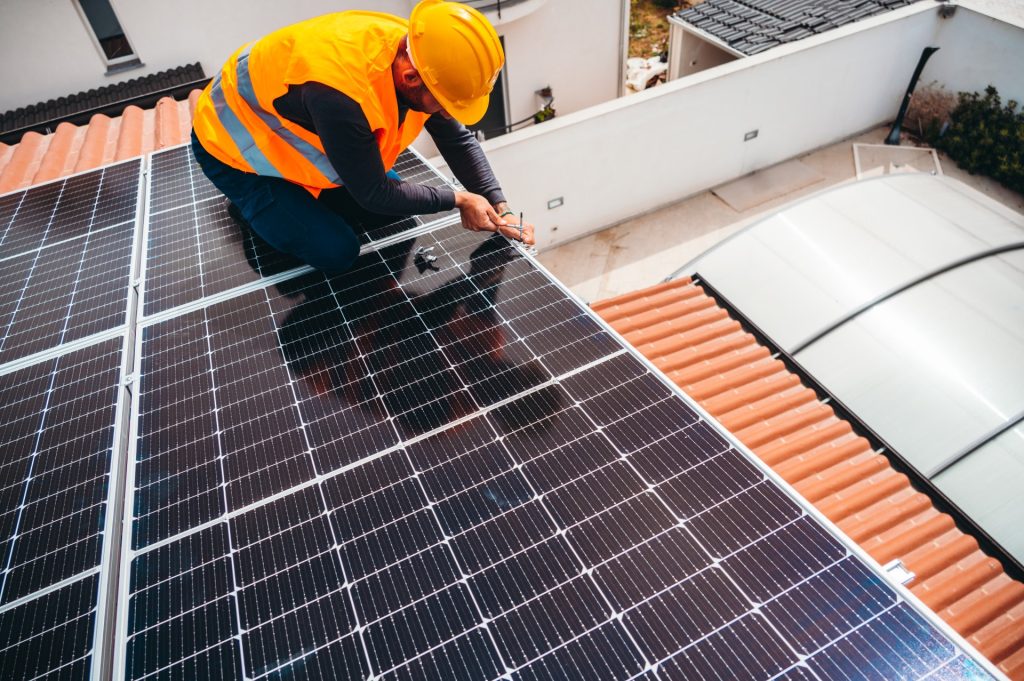
Solar panels are a significant investment for South African homeowners and businesses. With rising electricity costs and frequent load shedding, many property owners turn to solar energy as a reliable solution. However, installing solar panels is only the first step. Regular maintenance is essential to protect your investment and maximize your return on investment (ROI).
Many solar owners assume their panels will work perfectly for decades without attention. This belief costs them thousands of rands in lost energy production and potential repair bills. Dust, debris, and weather damage can reduce your system’s efficiency by up to 25%. Regular maintenance prevents these issues and ensures your solar panels deliver maximum power output for years to come.
In South Africa’s climate, solar panels face unique challenges. From Cape Town’s coastal salt air to Johannesburg’s dust storms, environmental factors constantly affect panel performance. Understanding how to maintain your solar system properly can mean the difference between a profitable investment and a costly disappointment.
Understanding Solar Panel Performance and Degradation
How Solar Panels Generate Power
Solar panels convert sunlight into electricity through photovoltaic cells. These cells work most efficiently when they receive direct, unobstructed sunlight. Any barrier between the sun and your panels reduces power output immediately.
Clean panels can generate 15-20% more electricity than dirty ones. In South Africa, where sunshine is abundant, this difference translates to significant financial savings. A typical residential solar system can lose R500-R1,500 in monthly savings due to poor maintenance.
Common Causes of Solar Panel Degradation
Dust and dirt accumulation tops the list of performance killers. In cities like Johannesburg and Pretoria, industrial pollution and construction dust settle on panels daily. Coastal areas like Cape Town and Durban face salt spray and sand that create stubborn residue.
Bird droppings present another major challenge. They block sunlight and contain acids that can damage panel surfaces over time. Trees and vegetation can also cast shadows or drop leaves and branches onto panels.
Weather damage occurs regularly in South Africa. Hailstorms, strong winds, and extreme temperature changes can crack panel surfaces or damage mounting systems. Even minor damage can allow moisture to enter panels, causing internal corrosion.
The Financial Impact of Poor Solar Panel Maintenance
Direct Energy Production Losses
Dirty solar panels produce significantly less electricity. Studies show that dust accumulation can reduce panel efficiency by 5-25%, depending on local conditions. In South Africa’s dusty climate, panels can lose 10-15% efficiency within just three months without cleaning.
Consider a 5kW residential system in Johannesburg. If poor maintenance reduces efficiency by 15%, the system generates 750W less power during peak hours. Over a year, this equals approximately 1,095 kWh of lost production, worth R1,500-R2,000 in electricity savings.
Hidden Costs of Neglect
Neglected solar panels develop problems that require expensive repairs. Cracked panels may need replacement, costing R2,000-R5,000 per panel. Damaged inverters can cost R15,000-R50,000 to replace.
Warranty issues also arise from poor maintenance. Many manufacturers void warranties if panels show damage from neglect. This means you’ll pay full price for repairs that could have been covered.
Insurance claims may be denied if assessors find evidence of poor maintenance. Given that solar systems cost R80,000-R300,000, this risk is significant.
Long-term ROI Considerations
Solar panels typically pay for themselves within 6-10 years through electricity savings. Poor maintenance extends this payback period significantly. A system that should break even in 8 years might take 12-15 years if maintenance is neglected.
Panel lifespan also decreases without proper care. Well-maintained panels last 25-30 years, while neglected ones may need replacement after 15-20 years. This premature replacement destroys your long-term ROI.
Essential Solar Panel Maintenance Tasks
Regular Cleaning Requirements
Panel cleaning frequency depends on your location and environment. Urban areas like Johannesburg require monthly cleaning due to pollution and dust. Coastal cities like Cape Town need cleaning every 6-8 weeks because of salt spray. Rural areas may only need quarterly cleaning.
Use soft brushes and clean water for basic cleaning. Avoid harsh chemicals that can damage panel coatings. Clean panels early morning or late afternoon to prevent water spots from rapid evaporation.
For safety reasons, many homeowners hire professional cleaning services. Professional cleaners have proper equipment and insurance coverage. They can also spot potential problems during cleaning visits.
Visual Inspections and Monitoring
Check your panels monthly for visible damage. Look for cracks, loose connections, or signs of animal damage. Bird nests under panels can cause wiring problems and fire hazards.
Monitor your system’s daily energy production through your inverter display or mobile app. Sudden drops in production often indicate maintenance issues. Keep records of daily production to identify trends.
Check mounting hardware regularly. Loose bolts or damaged rails can allow panels to shift during strong winds. This movement can damage panels and create safety hazards.
Electrical System Maintenance
Inverters require specific maintenance to function properly. Check error codes monthly and clear any fault messages. Clean inverter vents to prevent overheating, especially during summer months.
Wiring connections need regular inspection. Look for corrosion, loose connections, or damaged cables. Faulty wiring can cause system shutdowns and create fire risks.
Ground fault protection systems must be tested annually. These safety devices prevent electrical shocks and should be checked by qualified technicians.
Seasonal Maintenance Considerations in South Africa
Summer Maintenance (October-March)
Summer brings intense heat and afternoon thunderstorms. High temperatures reduce panel efficiency, making cooling important. Ensure proper ventilation around panels and inverters.
Thunderstorms can damage panels with hail or lightning strikes. Inspect panels after severe weather for cracks or electrical damage. Check earthing systems to ensure lightning protection works correctly.
Increased bird activity during nesting season requires more frequent inspections. Install bird guards if necessary to prevent nesting under panels.
Winter Maintenance (April-September)
Winter brings less sunlight and more dust in many areas. Clean panels more frequently to maximize limited sunlight hours. Check for cold-weather damage like thermal shock cracks.
Shorter daylight hours mean batteries work harder in off-grid systems. Monitor battery health and charging cycles more closely during winter months.
Strong winter winds can damage mounting systems. Inspect roof attachments and panel frames for loose hardware.
Professional Maintenance vs. DIY Approaches
When to Use Professional Services
Complex electrical work always requires qualified electricians. Inverter repairs, wiring modifications, and safety system testing need professional expertise. Attempting these repairs yourself can void warranties and create safety hazards.
Roof work presents significant safety risks. Professional maintenance companies have proper safety equipment and insurance coverage. They can work safely on steep roofs and at heights.
Major cleaning projects benefit from professional equipment. Commercial cleaning systems remove stubborn dirt and stains more effectively than household tools.
Safe DIY Maintenance Tasks
Basic cleaning can be done safely by homeowners with proper precautions. Use stable ladders and have someone assist you. Never work on wet or windy days.
Visual inspections require no special tools or training. Regular monitoring helps catch problems early before they become expensive repairs.
Simple tasks like clearing debris from around panels can be done safely. Remove leaves, branches, and other materials that might cast shadows.
Cost-Benefit Analysis
Professional maintenance costs R500-R1,500 per visit, depending on system size and services required. This seems expensive, but it prevents costly repairs and maintains warranty coverage.
DIY maintenance saves money but requires time and carries risks. Calculate the value of your time and potential safety hazards before choosing DIY approaches.
Hybrid approaches work well for many homeowners. Handle basic cleaning and monitoring yourself, but use professionals for technical work and annual inspections.
Creating a Maintenance Schedule
Monthly Tasks
Check system performance through your monitoring app or inverter display. Look for unusual drops in production or error messages. Document any changes in system behavior.
Perform visual inspections of panels and mounting hardware. Look for physical damage, loose connections, or signs of animal activity.
Clean panels if needed based on local conditions. Urban areas typically need monthly cleaning, while rural areas may go longer between cleanings.
Quarterly Tasks
Deep clean panels using proper equipment and techniques. This thorough cleaning removes stubborn dirt and improves efficiency significantly.
Inspect all wiring connections for corrosion or damage. Check junction boxes and conduit for signs of water entry or pest damage.
Test ground fault protection systems to ensure safety devices work properly. This testing should be done by qualified technicians.
Annual Tasks
A comprehensive system inspection by qualified technicians identifies potential problems before they cause failures. This inspection should include electrical testing and thermal imaging.
Update firmware on inverters and monitoring systems. New software often improves performance and adds features.
Review system performance data to identify trends or declining efficiency. This analysis helps plan future maintenance and upgrades.
Common Maintenance Mistakes to Avoid
Cleaning Errors
Never clean hot panels with cold water. Thermal shock can crack panel surfaces, requiring expensive replacements. Always clean panels when they’re cool.
Avoid abrasive cleaners or scrubbing pads that can scratch panel surfaces. These scratches reduce efficiency and can void warranties.
Don’t ignore safety precautions during cleaning. Many accidents occur during routine maintenance tasks. Always use proper safety equipment and techniques.
Neglecting Monitoring
Ignoring system monitoring leads to missed problems. Small issues become expensive repairs when left unaddressed. Check your system regularly and investigate any unusual behavior.
Don’t rely only on electricity bill savings to judge system performance. Other factors can mask declining solar production. Use dedicated monitoring tools for accurate performance tracking.
Attempting Complex Repairs
Electrical work requires proper training and certification. DIY electrical repairs can cause fires, electrocution, or system damage. Always use qualified electricians for electrical work.
Don’t ignore manufacturer warranties and service requirements. Improper repairs can void warranties and create liability issues.
Maximizing ROI Through Proper Maintenance
Performance Optimization
Regular maintenance keeps panels operating at peak efficiency. Clean panels in good repair generate maximum power from available sunlight. This optimization directly improves your ROI.
Proper maintenance extends system lifespan significantly. Panels that last 25-30 years provide much better ROI than those that fail after 15-20 years.
Early problem detection prevents minor issues from becoming major expenses. Regular maintenance catches problems when they’re still cheap to fix.
Cost Control Strategies
Scheduled maintenance costs less than emergency repairs. Plan maintenance activities during low-cost periods and bundle services for better rates.
Warranty maintenance keeps coverage active and transfers repair costs to manufacturers. Follow warranty requirements carefully to maintain coverage.
Energy production monitoring helps optimize system performance and identify the best times for maintenance activities.
Long-term Value Protection
Well-maintained solar systems retain higher resale value. Proper maintenance records demonstrate system reliability to potential buyers.
Regular maintenance prevents premature replacement of expensive components. Inverters, batteries, and other equipment last longer with proper care.
Insurance coverage remains valid with proper maintenance records. Insurers may deny claims if maintenance has been neglected.
Regional Considerations for South African Solar Systems
Cape Town and Western Cape
Coastal environments create unique challenges for solar systems. Salt spray accelerates the corrosion of metal components. Use marine-grade materials and clean panels more frequently.
Strong winds in the Western Cape can damage mounting systems. Inspect hardware regularly and ensure proper installation standards are met.
Winter rainfall can help clean panels naturally, but summer dust requires active cleaning. Plan maintenance schedules around seasonal weather patterns.
Johannesburg and Gauteng
High altitude and industrial pollution affect panel performance. Dust and smog reduce efficiency significantly. Plan for frequent cleaning and air quality monitoring.
Thunderstorms and hail damage are common during the summer months. Inspect panels after severe weather and consider hail protection measures.
Water restrictions may limit cleaning options. Use minimal water techniques or recycled water systems for panel cleaning.
Durban and KwaZulu-Natal
High humidity and salt air create corrosion challenges. Use appropriate materials and inspect electrical connections more frequently.
Seasonal storms can damage panels and mounting systems. Prepare for cyclone season with proper tie-downs and protection measures.
Vegetation grows quickly in humid conditions. Keep panels clear of overhanging branches and vegetation.
Pretoria and Surrounding Areas
Dust storms and construction activity create cleaning challenges. Plan for frequent cleaning during dry seasons.
Extreme temperature variations affect panel performance and longevity. Allow for thermal expansion and use appropriate materials.
The Future of Solar Maintenance
Technology Advances
Automated cleaning systems are becoming more affordable and effective. These systems can clean panels remotely and reduce manual labor costs.
Smart monitoring systems provide real-time performance data and predictive maintenance alerts. These tools help optimize maintenance schedules and prevent failures.
Drone inspections allow safe, efficient checking of large installations. Thermal imaging drones can identify hot spots and damaged panels quickly.
Maintenance Industry Evolution
Professional maintenance services are becoming more specialized and efficient. Better training and equipment improve service quality and reduce costs.
Warranty programs are expanding to cover more maintenance activities. These programs can reduce out-of-pocket maintenance costs significantly.
Remote monitoring and diagnostics reduce the need for on-site visits. Many problems can be identified and resolved remotely.
Conclusion
Regular solar panel maintenance is essential for maximizing your return on investment. In South Africa’s challenging climate, proper maintenance can mean the difference between a profitable solar system and a costly disappointment. Clean, well-maintained panels produce 15-20% more electricity than neglected ones, directly impacting your financial returns.
The key to successful maintenance lies in understanding your local environment and creating a consistent schedule. Whether you choose professional services or handle basic tasks yourself, regular attention to your solar system protects your investment and ensures maximum performance.
Don’t wait for problems to develop. Start a maintenance program today to protect your solar investment. Regular cleaning, monitoring, and professional inspections will keep your system running efficiently for decades. The cost of proper maintenance is minimal compared to the benefits of maximum energy production and extended system life.
Smart Energy O&M provides comprehensive solar maintenance services across South Africa. Our experienced technicians understand local conditions and can help you develop a maintenance program that maximizes your ROI. Contact us today to schedule your solar system inspection and protect your investment for years to come.