How to Spot Faulty Solar Components Before Major Damage Occurs
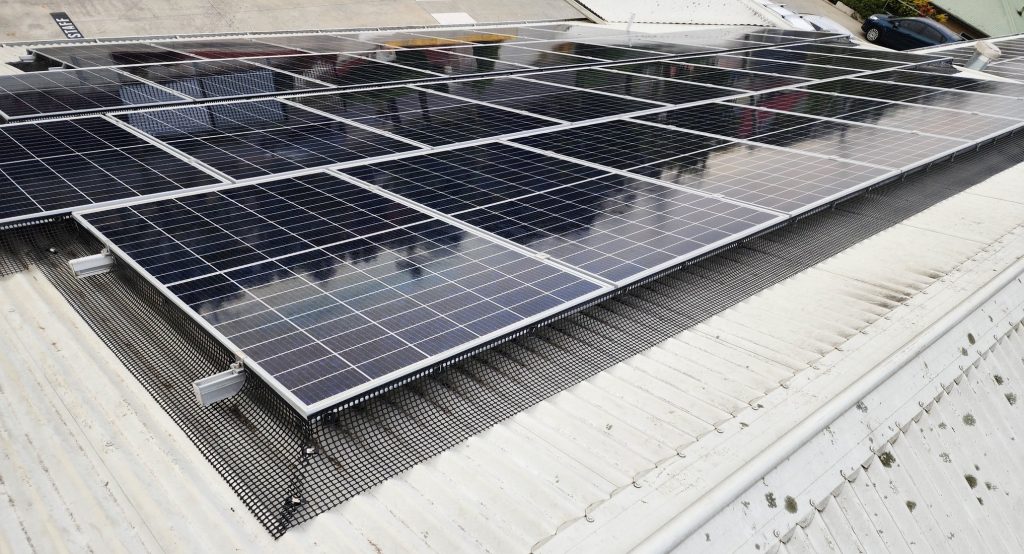
Solar systems are reliable, but components can fail without warning. Early detection saves you thousands in repairs and prevents system downtime when you need power most. South African homeowners face unique challenges with load shedding, extreme weather, and dust that can mask developing problems.
Most solar component failures start with small warning signs. A loose connection might cause minor power drops before it creates dangerous arcing. A dirty panel reduces efficiency before moisture damage begins. Catching these issues early prevents costly repairs and keeps your system running efficiently.
This guide shows you how to identify failing components before they cause major damage. You’ll learn simple inspection techniques, warning signs to watch for, and when to call professional help. Regular monitoring protects your investment and ensures reliable backup power during outages.
Understanding Solar System Components
Key Components That Can Fail
Solar Panels Solar panels are the most visible part of your system but also the most durable. They typically last 25+ years with minimal maintenance. However, they can develop problems like:
- Micro-cracks from temperature cycling
- Hot spots from cell damage
- Delamination of protective layers
- Junction box failures
- Bypass diode malfunctions
Inverters convert DC power from panels to AC power for your home. They’re the most likely component to fail, typically lasting 10-15 years. Common inverter problems include:
- Capacitor degradation
- Cooling fan failures
- Circuit board damage
- Software glitches
- Overheating issues
Mounting Systems Mounting hardware secures panels to your roof and must withstand wind, rain, and temperature changes. Problems include:
- Loose bolts and clamps
- Corrosion from salt air
- Structural fatigue
- Grounding connection failures
- Roof penetration leaks
Electrical Components: DC and AC electrical components connect your system and include:
- DC cables and connectors
- AC disconnect switches
- Monitoring equipment
- Grounding systems
- Protection devices
How Components Interact
Solar components work together as a system. When one component fails, it affects others. A failing inverter might cause panels to overheat. Loose connections create resistance that damages cables. Understanding these interactions helps you spot problems early.
String inverters connect multiple panels in series. If one panel fails, the entire string performance drops. Micro-inverters connect to individual panels, so single-panel failures don’t affect the whole system.
Early Warning Signs of Component Failure
Visual Inspection Indicators
Panel Surface Problems: Check panels monthly for visible damage. Look for:
- Cracks in glass or cells
- Discolored or cloudy areas
- Bubbles or delamination
- Burn marks around junction boxes
- Loose or damaged cables
Use binoculars to inspect panels safely from the ground. Never walk on panels or lean ladders against them. Johannesburg’s hailstorms and Cape Town’s strong winds can cause damage that develops slowly over time.
Inverter Warning Lights Most inverters have LED status lights that indicate system health:
- Green: Normal operation
- Yellow: Warning or reduced performance
- Red: Fault or shutdown condition
- Flashing patterns: Specific error codes
Check the inverter displays weekly. Modern inverters show error codes and performance data on LCD screens. Record any error messages and check your manual for meanings.
Mounting System Deterioration: Inspect mounting hardware quarterly for:
- Rust or corrosion on bolts
- Loose or missing clamps
- Bent or damaged rails
- Gaps between panels and the roof
- Water stains around mounting points
Coastal areas like Durban experience more corrosion due to salt air. Inland areas like Pretoria have greater temperature swings that stress mounting systems.
Electrical Connection Issues: Look for signs of electrical problems:
- Scorched or melted connectors
- Loose cable connections
- Damaged insulation
- Corroded terminals
- Burnt smells near electrical components
Performance Monitoring Signs
Gradual Power Decline Monitor your system’s daily energy production. Normal performance varies with weather and seasons, but watch for:
- Consistent drops over several days
- One string produces less than the others
- Morning startup delays
- Afternoon shutdowns
- Reduced peak power output
Modern monitoring systems track performance automatically. Set up alerts for production drops greater than 10% from expected values.
Sudden Performance Changes: Immediate performance drops often indicate component failures:
- Complete system shutdown
- 50% or greater power loss
- Intermittent operation
- Frequent inverter restarts
- Error messages on monitoring displays
Hot Spots and Overheating. Hot spots indicate failing cells or connections. Signs include:
- Discolored panel areas
- Warped or melted components
- Unusual heat from inverters
- Cooling fan noise increases
- Thermal protection activations
Use an infrared thermometer to check component temperatures. Panels should be within 10°C of ambient temperature. Inverters may run 20-30°C above ambient, but shouldn’t exceed manufacturer specifications.
Electrical System Symptoms
Voltage Irregularities Check system voltages monthly with a multimeter:
- String voltages should be consistent
- Individual panel voltages should match
- The inverter DC input voltage should be stable
- AC output voltage should meet grid requirements
Large voltage differences between similar strings indicate problems. Single-panel voltage drops suggest cell or connection failures.
Current Imbalances Measure string currents during peak sunlight hours:
- Strings with identical panels should have similar currents
- Large differences indicate panel or connection problems
- Gradually declining currents suggest aging components
- Sudden current drops indicate failures
Ground Fault Indicators: Ground faults create safety hazards and system shutdowns. Warning signs include:
- Frequent ground fault interruptions
- Tingling sensations from metal components
- Corrosion around grounding connections
- Moisture in junction boxes
- Damaged cable insulation
Component-Specific Failure Patterns
Solar Panel Deterioration
Micro-crack Development Micro-cracks start small but grow over time. They’re caused by:
- Temperature cycling stress
- Mechanical stress from wind
- Poor handling during installation
- Manufacturing defects
- Hail damage
Early signs include small performance drops and hot spots. Use electroluminescence testing to detect micro-cracks before they become visible.
Junction Box Failures Junction boxes house electrical connections and bypass diodes. Common problems include:
- Moisture ingress from damaged seals
- Bypass diode failures causing hot spots
- Loose connections create resistance
- Corrosion from humidity
- Physical damage from maintenance
Check junction boxes quarterly for:
- Scorch marks or discoloration
- Loose or damaged covers
- Melted or burnt components
- Moisture or condensation inside
- Unusual heat during operation
Delamination and Backsheet Damage. Panel backsheets protect cells from moisture and provide electrical insulation. Failures include:
- Cracking from UV exposure
- Delamination from temperature cycling
- Moisture ingress through cracks
- Electrical insulation breakdown
- Mechanical damage from maintenance
Look for:
- Bubbles or wrinkles in the backsheet
- Discolored or cloudy areas
- Cracks or tears in the material
- Moisture stains or corrosion
- Electrical leakage to ground
Inverter Component Failures
Capacitor Degradation Electrolytic capacitors are the most common inverter failure point. They degrade over time due to:
- High temperatures reduce lifespan
- Voltage stress from grid fluctuations
- Aging of electrolyte
- Poor manufacturing quality
- Electrical surges
Warning signs include:
- Reduced power output
- Longer startup times
- Increased harmonics
- Overheating issues
- Unusual noises from the inverter
Cooling System Problems Inverters use fans and heat sinks to stay cool. Problems include:
- Fan bearing failures
- Blocked air vents
- Dust accumulation on heat sinks
- Thermal paste degradation
- Ambient temperature increases
Check for:
- Increased fan noise
- Overheating shutdowns
- Dust accumulation
- Reduced airflow
- Higher operating temperatures
Power Electronics Failures: Inverter switching components can fail from:
- Electrical stress
- Thermal cycling
- Manufacturing defects
- Lightning damage
- Grid voltage fluctuations
Symptoms include:
- Sudden power loss
- Distorted AC output
- Frequent shutdowns
- Error codes on display
- Burning smells
Mounting System Degradation
Fastener Loosening Mounting fasteners can loosen over time due to:
- Thermal expansion and contraction
- Wind-induced vibrations
- Inadequate initial torque
- Corrosion of threads
- Structural settling
Check quarterly for:
- Visible gaps at connections
- Loose bolts or clamps
- Panel movement in the wind
- Uneven panel alignment
- Stress cracks in mounting rails
Corrosion Issues: Metal components corrode in South African conditions:
- Salt air corrosion in coastal areas
- Galvanic corrosion between dissimilar metals
- Crevice corrosion in tight spaces
- Atmospheric corrosion from pollution
- Accelerated corrosion from moisture
Look for:
- Rust stains on fasteners
- White powdery deposits
- Pitting or holes in metal
- Loose connections from corrosion
- Discoloration of hardware
Inspection Techniques and Tools
Visual Inspection Methods
Monthly Walk-Around Checks: Perform basic visual inspections monthly:
- Check panels for visible damage
- Inspect the inverter status lights
- Look for loose connections
- Examine mounting hardware
- Note any unusual sounds or smells
Use binoculars to inspect roof-mounted panels safely. Create a checklist to ensure consistent inspections.
Quarterly Detailed Inspections Every three months, perform more detailed checks:
- Clean panels and inspect closely
- Check all electrical connections
- Examine the mounting system thoroughly
- Test system performance
- Review monitoring data trends
Annual Professional Inspections: Have qualified technicians perform comprehensive inspections annually.
- Electrical testing and measurements
- Thermal imaging of components
- Torque checking of fasteners
- Insulation resistance testing
- Performance verification
Basic Testing Equipment
Digital Multimeter is Essential for electrical measurements:
- Voltage testing of strings and panels
- Current measurement during operation
- Continuity testing of connections
- Resistance measurement of circuits
- Diode testing of bypass diodes
Choose a meter rated for DC voltage up to 1000V. Safety features like fused inputs and a CAT III rating are important.
Infrared Thermometer Monitor component temperatures:
- Panel hot spot detection
- Inverter temperature monitoring
- Connection temperature checking
- Comparative temperature measurements
- Overheating identification
Non-contact thermometers are safer than contact types. Look for models with laser pointing and data logging capabilities.
Clamp Meter Measure string currents without disconnecting cables:
- String current comparison
- Load current measurement
- Earth leakage detection
- Power factor measurement
- Harmonic analysis
DC clamp meters are more expensive but essential for solar work. AC clamp meters work for inverter output testing.
Advanced Diagnostic Tools
Thermal Imaging Cameras Professional thermal cameras detect:
- Hot spots in panels
- Failing electrical connections
- Overheating components
- Insulation problems
- Moisture ingress
Thermal imaging reveals problems invisible to the naked eye. Annual thermal surveys catch developing issues early.
I-V Curve Tracers Measure panel electrical characteristics:
- Panel performance verification
- Cell-level problem detection
- Bypass diode testing
- Shading effect analysis
- Degradation rate measurement
I-V curve changes indicate specific types of panel problems. This testing requires specialized equipment and training.
Electroluminescence Testing Reveals micro-cracks and cell defects:
- Micro-crack detection
- Cell interconnect problems
- Manufacturing defects
- Mechanical stress damage
- Potential-induced degradation
This testing requires darkening panels and injecting current. Professional testing services offer this capability.
Preventive Maintenance Strategies
Regular Cleaning Schedules
Panel Cleaning Frequency: Clean panels based on local conditions:
- Cape Town: Every 2-3 months, due to wind-blown sand
- Johannesburg: Every 3-4 months, due to air pollution
- Durban: Every 4-6 months due to higher rainfall
- Pretoria: Every 3-4 months, due to dust and pollen
Use soft brushes and deionized water. Avoid harsh chemicals or abrasive materials that can damage anti-reflective coatings.
Inverter Maintenance: Keep inverters clean and cool:
- Remove dust from air vents monthly
- Check cooling fan operation
- Maintain clearance around units
- Protect from direct sunlight
- Ensure adequate ventilation
Mounting System Care: Maintain mounting hardware:
- Check bolt torque annually
- Apply anti-corrosion treatments
- Clear drainage paths
- Inspect roof penetrations
- Tighten loose connections
Environmental Protection
Weather Protection Protect systems from South African weather:
- Install surge protection for lightning
- Use UV-resistant cable ties
- Seal electrical connections properly
- Provide shade for inverters
- Install wind barriers if needed
Pest Prevention: Prevent animal damage:
- Install bird guards around panels
- Seal cable entry points
- Remove nesting materials
- Trim overhanging branches
- Use pest deterrents safely
Dust and Debris Management Keep systems clean:
- Regular panel cleaning
- Clear debris from gutters
- Trim vegetation around arrays
- Remove bird droppings promptly
- Maintain clear access paths
Performance Monitoring
Automated Monitoring Systems: Install monitoring equipment:
- String-level production monitoring
- Individual panel optimizers
- Weather station integration
- Automated alert systems
- Historical data logging
Modern monitoring catches problems automatically. Set alert thresholds based on system performance history.
Manual Performance Checks Supplement automated monitoring:
- Monthly energy production reviews
- Quarterly performance comparisons
- Annual efficiency calculations
- Seasonal performance analysis
- Long-term degradation tracking
Compare actual performance to expected values based on weather conditions and system age.
When to Call Professional Help
DIY vs. Professional Diagnosis
Safe DIY Checks Homeowners can safely perform:
- Visual inspections from ground level
- Basic cleaning and maintenance
- Monitoring system checks
- Simple electrical measurements
- Documentation of problems
Always turn off systems before electrical work. Never work on wet systems or during storms.
Professional-Only Tasks: Call qualified technicians for:
- Electrical repairs and modifications
- Inverter repairs or replacement
- Thermal imaging inspections
- High-voltage electrical testing
- Roof work and mounting repairs
Licensed electricians must perform electrical work. Insurance may require professional installation and repairs.
Choosing Service Providers
Qualification Requirements: Look for technicians with:
- Electrical trade qualifications
- Solar installation certifications
- Manufacturer training certificates
- Insurance and bonding
- Local references and experience
Service Capabilities Choose providers offering:
- 24/7 emergency response
- Comprehensive diagnostic equipment
- Manufacturer warranty support
- Spare parts availability
- Performance guarantees
Cost Considerations: Balance cost with quality:
- Get multiple quotes for major work
- Understand warranty implications
- Consider long-term service relationships
- Factor in travel costs for remote areas
- Budget for annual maintenance contracts
Emergency Response
System Shutdown Procedures: Know how to safely shut down your system:
- Turn off the AC disconnect switch
- Turn off the DC disconnect switch
- Shut down the inverter
- Isolate the system from the grid
- Contact professional help
Safety Precautions: Follow safety rules during emergencies.
- Never work on live electrical systems
- Stay away from damaged components
- Don’t enter flooded areas with electrical equipment
- Use proper personal protective equipment
- Call emergency services if needed
Documentation Requirements: Document problems for insurance and warranty claims:
- Take photos of the damage
- Record error messages
- Note dates and times
- Measure performance losses
- Keep maintenance records
Cost Implications of Early Detection
Repair Cost Comparisons
Early Detection Savings Catching problems early saves money:
- Loose connection repair: R500 vs. R5,000 inverter replacement
- Panel cleaning: R1,000 vs. R15,000 efficiency loss annually
- Mounting bolt tightening: R200 vs. R10,000 structural damage
- Bypass diode replacement: R800 vs. R3,000 panel replacement
Delayed Maintenance Costs Ignoring problems increases expenses:
- Failed inverters often damage other components
- Electrical fires can destroy entire systems
- Structural failures may damage roofs
- Water damage spreads to multiple components
Insurance and Warranty Implications Proper maintenance protects coverage:
- Insurance may deny claims for poor maintenance
- Warranties require regular professional service
- Documentation proves proper care
- Early detection prevents coverage disputes
Return on Investment
Monitoring System Value Professional monitoring systems cost R10,000-R25,000 but provide:
- 24/7 problem detection
- Automatic performance alerts
- Historical data analysis
- Remote system diagnostics
- Warranty protection support
Maintenance Contract Benefits Annual maintenance contracts typically cost R3,000-R6,000 and include:
- Quarterly inspections
- Cleaning and basic repairs
- Performance testing
- Priority service calls
- Warranty coordination
Long-term Savings Proper maintenance extends system life:
- Panels last 25+ years with care
- Inverters last 15+ years with maintenance
- Mounting systems last 20+ years
- Overall system efficiency stays high
- Resale value remains strong
Conclusion
Early detection of faulty solar components protects your investment and ensures reliable power generation. Simple monthly inspections catch most problems before they become expensive repairs. Performance monitoring reveals developing issues that visual checks might miss. Professional maintenance provides expert diagnosis and proper repairs.
Don’t wait for complete failures to address solar problems. Small issues like loose connections or dirty panels become major expenses without attention. Regular maintenance costs far less than emergency repairs and replacement components. Your solar system provides decades of service with proper care.
South African conditions create unique challenges for solar systems. Dust, extreme temperatures, and severe weather accelerate component aging. Local expertise matters when diagnosing problems and planning maintenance. Professional service providers understand these conditions and provide appropriate solutions.
Protect your solar investment with regular inspections and professional maintenance. Contact Smart Energy O&M today to schedule a comprehensive system assessment. Our certified technicians identify potential problems before they cause expensive damage. We provide maintenance contracts, emergency repairs, and component replacement services across South Africa.